
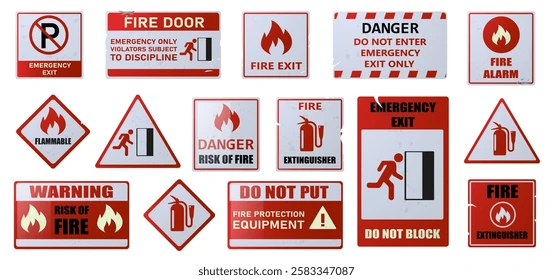
We often go through life thinking that emergencies happen to other people. We see reports on the news about house fires, floods, or medical crises, and we feel a moment of sympathy before changing the channel. It is a natural human defense mechanism. If we walked around constantly worried about disaster, we would never get anything done. However, this mindset can be dangerous. When an emergency actually happens, it does not make an appointment. It does not wait until you are ready. It strikes suddenly, often in the middle of the night or during a quiet Sunday afternoon. In those chaotic first few minutes, your brain stops thinking logically. Adrenaline takes over, and you revert to your habits. If you do not have a plan, panic sets in.
Fire is particularly unforgiving. In modern homes filled with synthetic materials like foam furniture and plastic electronics, a small flame can turn into a raging inferno in less than three minutes. You do not have time to figure things out on the fly. You do not have time to look for your phone or grab your photo albums. You only have time to act. This guide is designed to help you prepare for that moment. We are going to look at fire and emergency safety not as a scary checklist, but as a lifestyle of protection. We will use simple language to explain exactly what you need to do to keep your home, your workplace, and your loved ones safe. By the end of this post, you will have the knowledge and the confidence to handle the unexpected.
Understanding the Psychology of Panic and How to Beat It
Before we talk about equipment, we need to talk about your brain. When a smoke alarm goes off at 2:00 AM, your heart rate spikes instantly. You might feel disoriented. This is the “fight, flight, or freeze” response. The most dangerous reaction is freezing. Many people waste precious seconds standing in the hallway, trying to understand if the noise is real or if it is just a false alarm. They might try to find the source of the smoke instead of getting out. In a fire, seconds are the difference between life and death.
The only way to beat panic is through preparation and repetition. This is why we do drills. It is not just for school children. If you have practiced walking out of your house blindfolded (to simulate smoke), your body remembers the movement even when your brain is terrified. You need to accept that you will not be calm. You will be scared. But if you have a plan, you can be scared and effective at the same time. Tell yourself right now: “If the alarm sounds, I leave. I do not pack. I do not search. I leave.” Making that decision today saves you from having to make it when the room is filling with black smoke.
The First Line of Defense: Smoke Alarms and Carbon Monoxide Detectors
You cannot fight a danger you do not know about. Most fatal fires happen at night when people are sleeping. The smell of smoke actually puts you into a deeper sleep rather than waking you up. This is why smoke alarms are non-negotiable. They are your electronic nose. But having them is not enough; you must have the right kind and they must be working.
There are two main types of smoke sensors. Ionization alarms are good at detecting fast, flaming fires like burning paper. Photoelectric alarms are better at detecting slow, smoldering fires like a cigarette on a couch. The best alarms are “Dual Sensor,” which combine both technologies. You need one inside every bedroom, outside every sleeping area, and on every level of your home, including the basement. Do not put one in the kitchen or bathroom, as steam and cooking fumes will cause false alarms, leading you to take the batteries out. That is a fatal mistake.
Carbon Monoxide (CO) is the silent killer. It is an invisible, odorless gas produced by burning fuel—gas furnaces, water heaters, cars, and fireplaces. You cannot see it or smell it, but it puts you to sleep and then stops your heart. You need a CO detector on every level of your home. Test all your alarms once a month by pressing the “Test” button. Change the batteries once a year, or buy units with 10-year sealed batteries so you never have to worry about it. If an alarm chirps, fix it immediately. Never ignore the chirp.
Mastering the Fire Extinguisher: The PASS Technique
A fire extinguisher can stop a small incident from becoming a tragedy, but only if you know how to use it. Many people buy one, put it under the kitchen sink, and let it gather dust for a decade. When a pan catches fire, they pull it out and struggle to read the instructions while the flames grow. You need to know the technique now.
First, make sure you have the right type. An “ABC” rated extinguisher is the best for homes. “A” is for trash and wood, “B” is for liquids like oil and gas, and “C” is for electrical fires. Keep one in the kitchen (but not right next to the stove where you might get burned reaching for it), one in the garage, and one on every floor.
If you have to use it, remember the word PASS. Pull the pin at the top. This breaks the tamper seal. Aim the nozzle at the base of the fire, not at the flames. You want to hit the fuel, not the heat. Squeeze the handle to release the chemical. Sweep the nozzle back and forth until the fire is out. Be prepared for a mess; the powder goes everywhere and it tastes terrible, but it saves your house. Most importantly, know when to quit. If the fire is taller than you, or if the smoke is overwhelming, drop the extinguisher and get out. Do not die trying to save a kitchen.
Creating and Practicing a Home Evacuation Plan
Every building needs an escape plan. In a workplace, these are posted on the walls. In your home, it needs to be in your head. Walk through your house with your family and identify two ways out of every room. The first way is usually the door. The second way is usually a window.
If the door is hot to the touch, do not open it. There is fire on the other side. You must use the window. If you are on the second floor, you need escape ladders. These are collapsible ladders that hook onto the window sill. Keep them under the bed in every upstairs room. Show your children how to unlock the windows and how to remove the screens.
Establish a “Meeting Point” outside. This should be a permanent landmark, like a specific tree, a mailbox, or a neighbor’s driveway. It must be far enough away from the house to be safe from heat and falling glass. The rule is: once you are out, you stay out. You never go back inside for a pet or a toy. Firefighters have breathing equipment; you do not. Meet at the tree and count heads. This tells the arriving fire department exactly who is safe and who might still be inside.
Kitchen Safety: Preventing the Most Common Fires
The kitchen is the heart of the home, but it is also the danger zone. Cooking is the number one cause of home fires. Most of these happen because people get distracted. They put a pan of oil on the stove to heat up, then walk away to check an email or answer the door. Five minutes later, the oil ignites.
If a grease fire starts in a pan, never throw water on it. Water sinks to the bottom of the oil, boils instantly, and explodes into steam, throwing burning oil all over the room and on you. It turns a small fire into a fireball. Instead, slide a lid over the pan to smother the flames. Turn off the burner. If you don’t have a lid, pour baking soda on it. Never use flour (it can explode) or a wet towel.
Keep flammable items away from the stove. Oven mitts, wooden spoons, and food packaging should be at least three feet away from open flames. Clean your stovetop regularly. Built-up grease is fuel. If you have a fire in the oven, keep the door closed and turn off the heat. Opening the door feeds oxygen to the fire. Starve it of air, and it will die out.
Electrical Safety: Inspecting Cords and Outlets
We love our gadgets. Our homes are full of computers, TVs, chargers, and heaters. This puts a strain on our electrical systems. Electrical fires are dangerous because they often start inside the walls where you cannot see them until it is too late.
Check your cords. If a cord is frayed, cracked, or feels hot to the touch, throw it away. Do not tape it up. Do not run cords under rugs or furniture. Walking on them damages the wires inside, creating heat pockets that can ignite the rug.
Be careful with extension cords and power strips. They are meant for temporary use, not permanent wiring. Never plug a space heater or an air conditioner into a power strip. These high-power appliances draw too much current and can melt the plastic strip. Plug them directly into the wall. Also, avoid “daisy-chaining,” which is plugging one power strip into another. This overloads the circuit. If your breaker trips frequently, it is not a nuisance; it is a warning. Your system is telling you that you are using too much power. Call an electrician before the wires melt.
Handling Medical Emergencies and First Aid Basics
Fire isn’t the only emergency. A heart attack, a severe cut, or a choking incident can happen anytime. Having a well-stocked First Aid Kit is essential. Buy a comprehensive kit or build your own. It should contain bandages of all sizes, antiseptic wipes, antibiotic ointment, gauze, medical tape, scissors, and gloves. Keep it in an easy-to-reach place, not buried under bathroom towels.
You should also learn the basics of life support. CPR (Cardiopulmonary Resuscitation) keeps blood flowing to the brain when the heart stops. You don’t need to do mouth-to-mouth anymore; “Hands-Only CPR” is very effective. Push hard and fast in the center of the chest to the beat of the song “Stayin’ Alive.”
Learn the Heimlich maneuver for choking. If someone cannot breathe or speak, stand behind them, wrap your arms around their waist, and pull inward and upward sharply. For severe bleeding, apply direct pressure. Do not peek to see if it stopped; just keep pressing until help arrives. If the bleeding is on an arm or leg and won’t stop, a tourniquet can save a life. You can buy tactical tourniquets or make one from a belt, but you must learn how to use them correctly. Taking a one-day First Aid/CPR class with the Red Cross is the best investment you can make for your family’s safety.
The “Go Bag”: Being Ready for Instant Evacuation
Sometimes, the emergency isn’t in your house; it is in your neighborhood. A wildfire, a flood, or a chemical spill might force you to evacuate immediately. You might have five minutes to leave. You do not want to spend those five minutes looking for your passport.
Every household needs a “Go Bag” or an emergency kit. This is a backpack packed with essentials that lives by the front door or in the garage. What goes in it? Start with documents. Copies of your insurance policies, passports, birth certificates, and medical records should be in a waterproof bag. Add cash in small bills (ATMs won’t work if the power is out).
Include a supply of any prescription medications your family takes. Pack a spare set of glasses, a phone charger, a flashlight with extra batteries, and a small first aid kit. Add some high-energy food like protein bars and a few bottles of water. Don’t forget the pets; pack a leash and a small bag of kibble. Having this bag ready turns a chaotic evacuation into a manageable one. It gives you peace of mind knowing that even if you lose the house, you have the pieces you need to restart your life.
Workplace Emergency Protocols: Safety on the Job
We spend a huge part of our lives at work, so safety shouldn’t stop at your front door. Your workplace has specific risks and specific rules. You need to know them. When you start a new job, ask about the emergency plan. Where are the exits? Where is the fire extinguisher? Who is the “Fire Warden” or safety officer?
In an office building, the elevators will shut down when the fire alarm rings. You must use the stairs. If you work on a high floor, this can be physically demanding. Do not carry your coffee or your laptop bag. Leave everything. Walk down the stairs in a single file on the right side, leaving the left side open for firefighters coming up.
If you work in a factory or warehouse, be aware of machinery and hazardous materials. Know where the eye wash stations are. If there is a chemical spill, do not try to clean it up unless you are trained. Evacuate the area and alert a supervisor. Workplace safety is a team effort. If you see a blocked exit or a frayed wire, report it. You have a right to a safe working environment, and your vigilance protects your coworkers too.
Conclusion: Preparation is Peace of Mind
Emergency safety can feel overwhelming. It forces us to think about scary things like fires, injuries, and disasters. But ignoring these risks does not make them go away. In fact, ignoring them makes them much more dangerous. The goal of this guide is not to make you paranoid; it is to make you prepared.
When you have working smoke alarms, you sleep better at night. When you have a plan, you walk through the world with more confidence. You know that if the worst happens, you have the tools and the knowledge to handle it. You can protect yourself, your family, and your neighbors. So take action today. Test that alarm. Buy that extinguisher. Pack that bag. Safety is not an accident; it is a choice you make every single day.