Have you ever stood in a grocery store and looked at the rows and rows of perfectly sealed bags of chips, shiny cans of soda, and boxes of cereal? Have you ever wondered how they get millions of potato chips into bags without breaking them, or how they fill thousands of bottles of water to the exact same level every single time? We use these products every day, but we rarely think about the incredible journey they take to get to us. Behind every single item on the shelf is a world of high-speed, precise, and fascinating technology known as Packaging and Processing Machinery.
This machinery is the unsung hero of the modern world. It takes raw ingredients—like potatoes, flour, water, and plastic—and turns them into the safe, convenient, and long-lasting products we rely on. In 2026, this industry is more advanced than ever. We have machines that can “see” defects with cameras, robots that can pack boxes faster than the human eye can follow, and systems that keep our food fresh for months without preservatives. This guide is going to walk you through the magic of manufacturing. We will strip away the complex engineering jargon and use simple, plain English to explain exactly how these machines work and why they are so important to our daily lives.
From Raw Ingredients to Finished Goods: The Processing Stage
Before you can package a product, you have to make it. This is called “Processing.” Think of it like cooking in a giant, high-tech kitchen. If you are making cookies at home, you mix flour, sugar, and eggs in a bowl. In a factory, they do the exact same thing, but the “bowl” is the size of a swimming pool, and the mixer is a giant stainless steel blade powered by a massive motor.
Processing machinery handles the heavy lifting. There are “Grinders” that turn whole coffee beans into powder. There are “Blenders” and “Mixers” that combine ingredients perfectly so that every single bite of your granola bar tastes exactly the same. There are “Extruders,” which are like giant Play-Doh machines. You push dough through a shaped hole, and out comes a specific shape—this is how we make pasta, cereal loops, and even some types of candy.
Then there is the cooking. Industrial ovens are often long tunnels. The food sits on a conveyor belt and travels through the oven, getting baked perfectly evenly. By the time it comes out the other end, it is cooked, cooled, and ready for the next step. These machines monitor temperature, moisture, and speed automatically. If the oven gets one degree too hot, sensors detect it instantly and adjust the flame. This ensures that you never buy a burnt cookie.
The Art of Filling: Getting the Product into the Package
Once the product is made, it needs to go into a container. This sounds easy—just pour it in, right? But imagine trying to pour milk into a narrow bottle opening without spilling a drop, 500 times a minute. That is the challenge of “Filling Machines.”
There are different types of fillers for different products. For liquids like water or soda, we use “Volumetric Fillers.” These machines have a piston (like a giant syringe) that pulls in an exact amount of liquid—say, 500 milliliters—and shoots it into the bottle. It is incredibly accurate. You get exactly what you pay for, down to the last drop.
For solid things like chips or candy, we use “Multi-Head Weighers.” This is one of the coolest machines in the factory. Imagine a circle of 14 little buckets at the top of a machine. The machine drops a few chips into each bucket. A computer weighs each bucket instantly. Then, the computer figures out which combination of buckets adds up to exactly the right weight (like 150 grams). It opens those specific buckets, and the chips fall down a chute into the bag. It happens so fast it looks like a blur, but the computer is doing complex math every single second to make sure no bag is under-filled or over-filled.
Sealing the Deal: Keeping Freshness In and Air Out
Once the product is in the package, you have to seal it shut. This is critical. If air gets in, chips go stale, milk goes bad, and medicine becomes unsafe. “Sealing Machines” use heat, pressure, or ultrasonic waves to create an airtight bond.
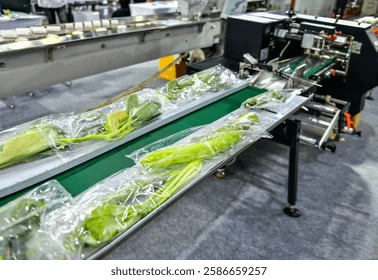
For plastic bags (like chips or frozen peas), we use “Vertical Form Fill Seal” (VFFS) machines. These are amazing to watch. A huge roll of flat plastic film sits on the back. The machine pulls the film over a metal tube to form a long cylinder. It seals the vertical edge to make a tube. Then, it seals the bottom horizontally to make a bag. The product drops in from the top. Finally, it seals the top and cuts the bag loose. All of this happens in less than a second.
For bottles and jars, we use “Capping Machines.” These machines grab a plastic cap, place it on the bottle, and spin it tight. Some use a spinning rubber wheel to grab the cap; others use a mechanical chuck. They have “Torque Sensors” to make sure the cap is tight enough so it doesn’t leak, but not so tight that you can’t open it. Have you ever struggled to open a jar of pickles? That might be because the torque setting on the capper was a little too high that day!
Labeling and Coding: Telling You What You Are Eating
A plain silver can or a clear bottle doesn’t tell you anything. You need a label. “Labeling Machines” apply those colorful stickers that catch your eye in the store. There are different ways to do this. “Pressure Sensitive” labelers work like giant sticker dispensers. They peel the label off a backing paper and wipe it onto the bottle as it passes by. “Sleeve Labelers” shoot a tube of plastic shrink wrap over the bottle, and then send it through a heat tunnel (like a hair dryer) to shrink it tight around the curves.
But labels aren’t just for decoration. They are also for safety. Every food and drug product needs a “Date Code” (Best By date) and a “Lot Code” (which batch it came from). This is done by “Coding and Marking” machines.
The most common type is an “Inkjet Coder.” It shoots tiny droplets of ink through the air to print dot-matrix letters on the can or bottle. Because it doesn’t touch the product, it can print on curved surfaces, wet glass, or fast-moving boxes. Newer machines use lasers. A laser burns the date code directly into the glass or paper. It is permanent, clean, and never runs out of ink. These codes allow companies to track products. If there is a safety recall, they can look up the Lot Code and know exactly which factory made it and when.
Cartoning and Case Packing: Getting Ready for Shipping
Once the individual item is made—the bag of chips or the bottle of shampoo—it needs to go into a box so it can be shipped to the store. You can’t just throw them in a truck. “Cartoning Machines” take a flat piece of cardboard, fold it into a box shape, slide the product inside, and glue the flaps shut.
For example, think of a tube of toothpaste. It comes in a little rectangular box. A cartoner picks up the flat box, pops it open, pushes the tube in (often along with a paper instruction leaflet), and closes the ends. It does this gently so the box doesn’t get crushed.
Then comes “Case Packing.” This machine takes a group of products—say, 12 boxes of toothpaste—and puts them into a bigger, thicker cardboard shipping case. These machines are strong. They use robotic arms with suction cups to pick up 12 boxes at once and drop them perfectly into the case. Then they tape the top shut. This protects the products during the long truck ride to the supermarket. Without automated case packing, you would need an army of people taping boxes all day, which is slow and causes repetitive strain injuries.
Palletizing and Wrapping: The Final Step Before the Truck
Now you have a sealed case of products. But a truck can hold thousands of cases. You can’t load them one by one. You need to stack them onto a wooden pallet. This is done by a “Palletizer.”
In the old days, people did this by hand. It was back-breaking work. Today, we use robots. A robotic arm picks up a case (or even a whole row of cases) and places it on the pallet in a specific pattern. It stacks them like Lego bricks, interlocking them so the pile doesn’t tip over. It builds a perfect, square stack five or six feet high.
Once the pallet is full, it is unstable. If the forklift turns a corner too fast, the boxes will fall off. So, the pallet goes to a “Stretch Wrapper.” This machine spins the pallet around while a roll of clear plastic film moves up and down. It wraps the whole stack in plastic, like a mummy. This holds everything tight and protects the boxes from dust and rain. Now, the forklift can pick up the entire pallet—containing maybe 1,000 bags of chips—and drive it onto the truck in seconds.
Inspection and Quality Control: Safety First
We have talked about making and packing, but how do we know it is safe? “Inspection Systems” are the police officers of the factory line. They check every single product to make sure it is perfect.
“Checkweighers” are scales built into the conveyor belt. As a box passes over, it gets weighed instantly. If a box of cereal is supposed to weigh 500 grams but only weighs 400 grams, the machine knows a bag is missing inside. It uses an air blast to kick that box off the line into a reject bin.
“Metal Detectors” and “X-Ray Machines” look inside the product. If a tiny piece of metal from a broken machine screw falls into the dough, the metal detector sees it and rejects the product. X-rays can even see glass or stone inside a jar. “Vision Systems” are cameras that take a picture of every bottle. If the label is crooked, or the cap is missing, or the fill level is too low, the computer spots it and rejects it. These machines ensure that when you buy something, it is safe to eat and looks exactly like it should.
Robotics and Automation: The Future of the Factory
In 2026, the biggest trend in packaging is Robotics. Robots are no longer just for heavy lifting. We now have “Delta Robots” (often called spider robots) that hang from the ceiling. They have three skinny arms that move incredibly fast. They look like a spider tapping its feet.
These robots are used for “Pick and Place.” Imagine a conveyor belt full of random chocolates. A vision camera looks at them and tells the robot where they are. The spider robot zooms down, picks up a chocolate with a suction cup, and places it gently into the tray slot. It can do this 100 times a minute. It never gets tired, and it never touches the food with dirty hands.
“Cobots” (Collaborative Robots) are also changing the game. These are smaller robots designed to work safely next to humans. They don’t need a cage. A human worker might fold a complex gift box, and the cobot tapes it shut. They work as a team. Automation makes factories safer because robots do the dangerous, boring, and repetitive jobs, leaving humans to do the skilled work like fixing machines and checking quality.
Sustainability and Green Packaging Machinery
The world is worried about plastic waste. Packaging machinery companies are responding by inventing “Green Machines.” These are machines designed to run eco-friendly materials.
For example, paper is harder to run than plastic because it tears easily. New machines have sensitive tension controls that handle paper gently, allowing companies to switch from plastic bags to recyclable paper ones. We also have machines that can run “Thinner Film.” By using high-tech heating elements, a machine can seal a plastic bag that is half as thick as before. This uses 50% less plastic for every bag, saving millions of pounds of waste a year.
Energy efficiency is also huge. Old machines used to run all the time, even when the line was stopped. New “Smart Machines” have sleep modes. If no product is coming down the line, the motors turn off and the heaters lower their temperature to save electricity. When product arrives, they wake up instantly. This reduces the carbon footprint of the factory.
Conclusion: The Invisible Technology That Feeds the World
Packaging and processing machinery is everywhere, yet we rarely see it. It is the invisible technology that makes modern life possible. It allows farmers to sell their crops before they spoil. It allows medicine to be shipped safely to hospitals. It allows us to enjoy foods from other countries that would otherwise perish on the journey.
The next time you open a crisp bag of salad, twist the cap off a cold drink, or pop a pill from a blister pack, take a second to appreciate the engineering miracle in your hands. It was processed, filled, sealed, labeled, packed, and palletized by a symphony of machines working in perfect harmony. It is a world of speed, precision, and innovation that keeps our pantries full and our families safe. Whether it is a giant robot stacking pallets or a tiny laser printing a date code, these machines are the heartbeat of the global supply chain.